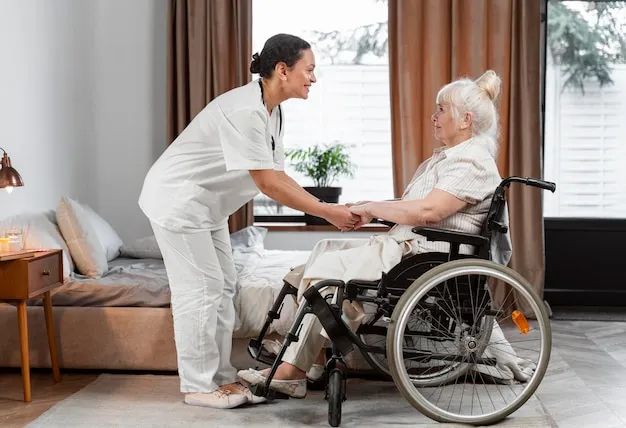

Person-centred care is one of the most used phrases in the sector and one of the least explained. In practice it means the plan is built around the person's life, not around the round.
What it looks like on a visit
- Support offered at the times the person actually wakes, eats and sleeps
- Choices asked out loud, every visit, even when the answer rarely changes
- Doing things with someone wherever possible, rather than for them
- Notes that record mood and conversation, not only tasks completed
Why it changes outcomes
People who keep making their own decisions stay more mobile, eat better and are less distressed. For someone living with dementia, working with a familiar routine reduces agitation far more reliably than any correction ever will.
How to tell whether you are getting it
Read the care plan. If it could describe anyone, it is a template. If it names the tea they like, the programme they watch and the neighbour they worry about, it is theirs.
Good care fits around a life that already exists. It does not ask that life to fit around a rota.
Every Premald care plan is written with the person, reviewed regularly, and rewritten whenever their preferences change.
Premald Registered Manager
Registered Manager, Premald Care Ltd
Responsible for care planning, staff training and quality assurance across both Premald Care branches.