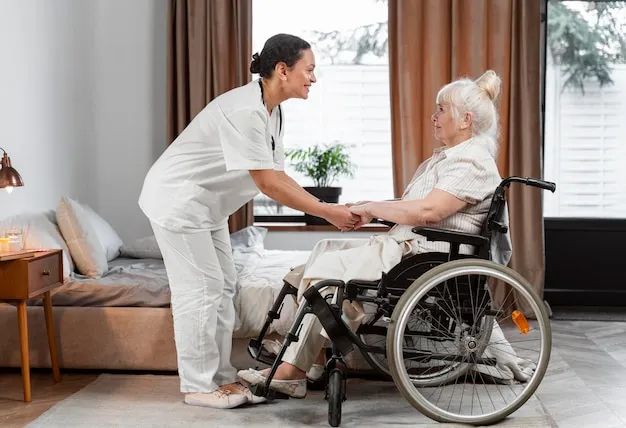

Families usually reach this question at a difficult moment, often after a fall or a hospital stay. Both options can be the right one; the deciding factors are usually practical rather than emotional.
What stays the same at home
Live-in care keeps the familiar things: the same bed, the same kettle, the same garden, the same neighbours. For someone living with dementia, that familiarity is not sentiment — it is orientation, and it reduces distress.
Cost, compared fairly
- Residential fees cover accommodation, food and staffing across a shared team
- Live-in care is a single weekly fee, but you continue to run the household
- For couples, one live-in carer supporting two people is often the cheaper route
- Neither option should be judged on headline price alone — ask what is excluded
Where a care home wins
If someone needs frequent night-time support from more than one person, has advanced clinical needs, or is severely isolated at home, a residential setting can offer more than one carer reasonably can.
Where live-in care wins
One-to-one attention, routines built around the person rather than the building, pets that stay, and visitors whenever they like. Continuity of carer is the single biggest difference families notice.
The question is rarely home or home — it is what level of support is needed, and how often.
A free assessment will tell you honestly which of the two we think fits, even when the answer is not us.
Premald Registered Manager
Registered Manager, Premald Care Ltd
Responsible for care planning, staff training and quality assurance across both Premald Care branches.